

Sunday afternoon concerts are fabulous. With audience members travelling from southern Germany, the far reaches of Amsterdam, and even London to hear Japanese pianist Nobuyuki Tsujii who was born blind perform Mozart’s Jeunehomme Concerto with the Amsterdam Sinfonietta in Enschede’s Wilminktheater, expectations were high.
Thankfully, the musical offering did not disappoint.
The programme
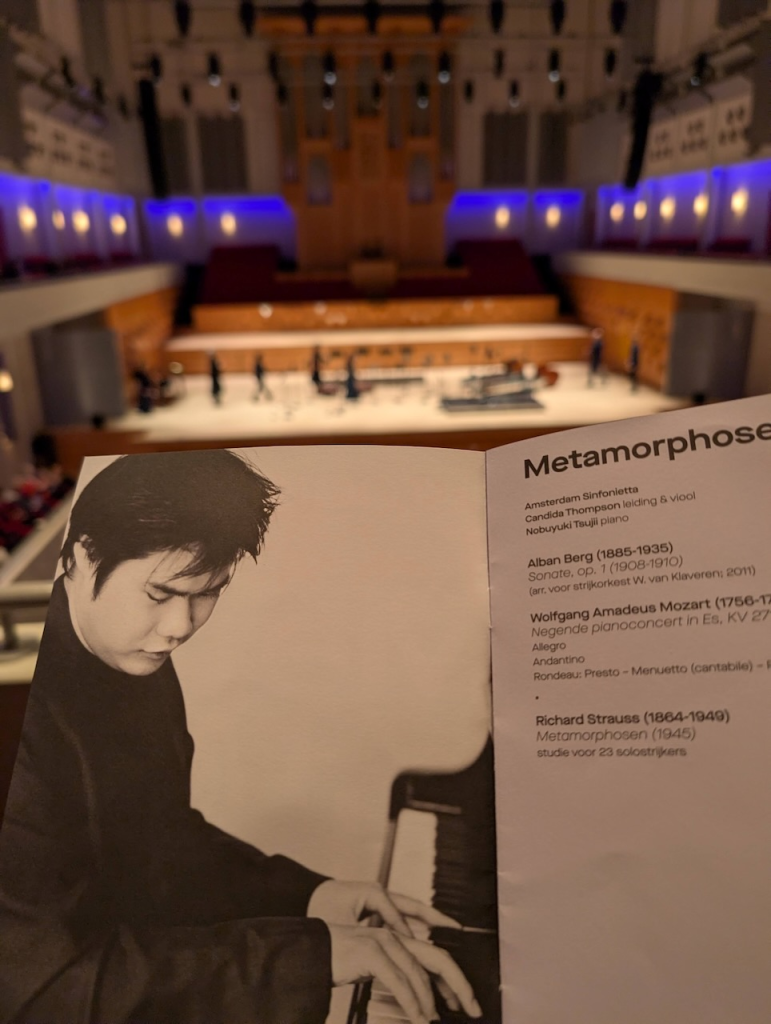
The piano concerto
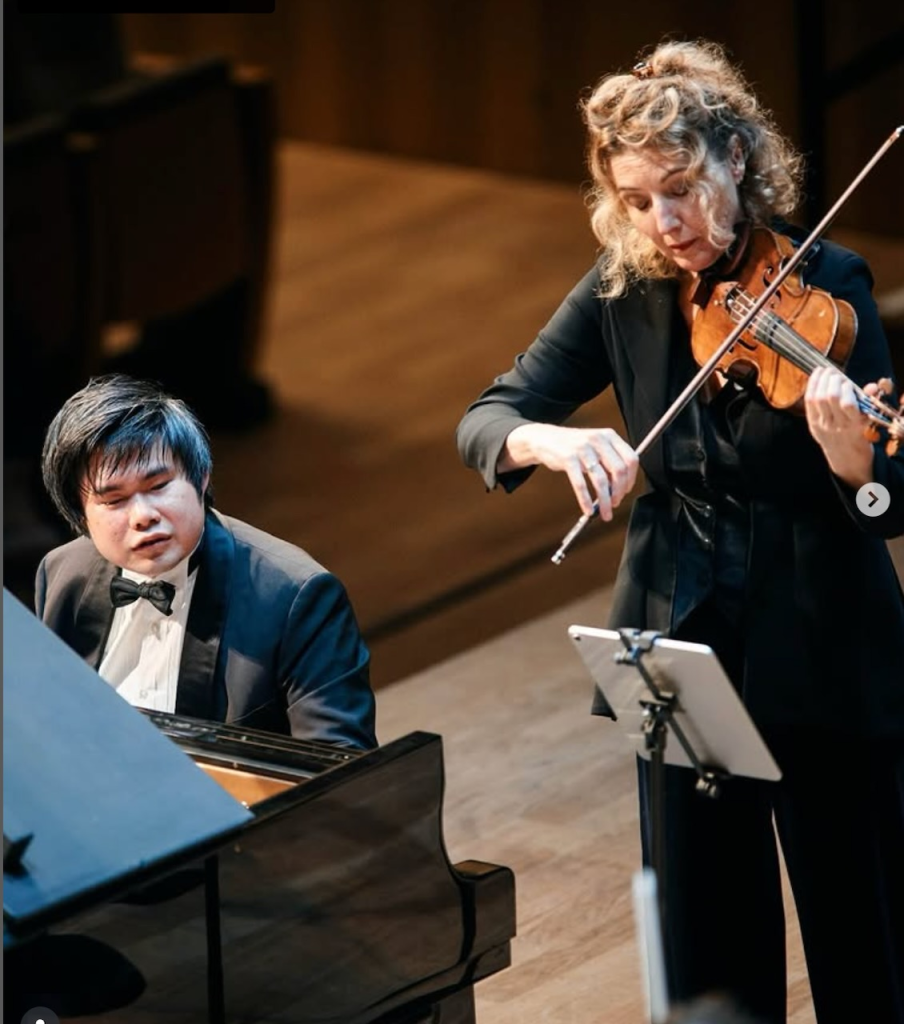
Taking to the stage, gently guided by Artistic Director, Candida Thompson, Nobuyuki Tsujii brought a confident and robust reading of Mozart’s Piano Concerto No. 9. And in contrast to last season’s challenging string arrangement of Chopin’s Second Piano Concerto, today’s decision to stick to the original score and invite oboes and horns to the stage, as per Mozart’s intentions, not only added attractive colour, but provided a robust balance to the power of the modern piano.
Fun was never far away, both in antiphonal passages with the oboes, but also as crossed hands found dark treacly depths. Immaculate ensemble reigned, with Tsujii even turning his head to face the horns for their moment in the sun. Quite how he produced such a flawless and exciting performance, from the cadenza’s bass octaves to the Presto’s relentless scales – all learnt by ear – is astonishing. Similarly the Andante’s long phrases, unrestricted by bar lines on a page, seemed to cut to the core of Mozart’s lyricism.
© Eduardus Lee

The encore
Returning to the stage with Liszt’s rarely heard transcription of Wagner’s Two Pieces from Tannhäuser and Lohengrin left me in pieces. Not since my wedding day when I walked up the aisle to a brass band arrangement of Lohengrin’s March, have I felt such raw emotion in this work. Tsujii’s magical inner melodies touched an emotional nerve, leaving the Enschede audience totally transfixed.
The surprise
Opening with a string arrangement of Alban Berg’s Piano Sonata No. 1 was an inspired choice. The Sinfonietta’s warm strings found a depth of tone with each new bow stroke adding a whole new layer of nuance. Meandering tonality found time for resolution and reflection in equal measure as delicious violin and cello melodies amplified Berg’s romanticism.
Confronting sorrow
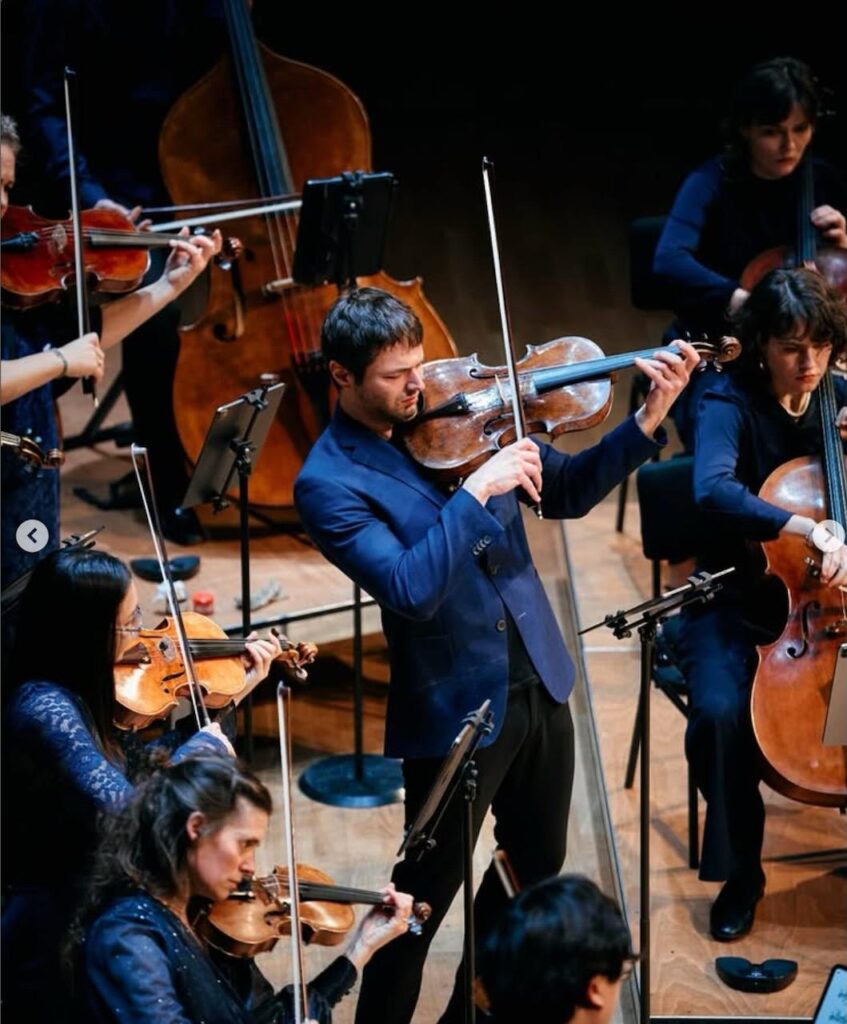
Strauss’ demanding Metamorphosen presented different challenges. From the outset, earthy double basses and violins silky sensitivity, poignantly illustrated Strauss’ sorrow at the demise not just of his beloved Vienna opera house, but at the institutional and cultural collapse post-World War II. The violas’ sumptuous response to the cello’s invite set the scene perfectly.
Restrained and reverent, and obviously meticulously rehearsed, the hugely impressive Amsterdam Sinfonietta navigated their way through Strauss’ densely contrapuntal score with minimal direction from Thompson. Metamorphosen’s success lies in the unquestioning skill of twenty-three string soloists. Any weakness or hesitations laid bare for all to see. With never a flicker of doubt, the violas’ unrelenting mêlée bolstered and propelled all towards a mighty release before a moment of calm descended. Strauss’ hymn-like ode, intensifying the horror and scale of destruction strewn not just in post-war Germany, but perhaps closer to home. No-one does sorrow quite like Richard Strauss.

This concert was reviewed at the Wilminktheater en Muziekcentrum, Enschede on Sunday 30th November, 2025
Read more from Clare

Follow Clare Varney on Facebook or Instagram to read more about Music and Culture

